Saving leopards, honouring tradition
By Panthera
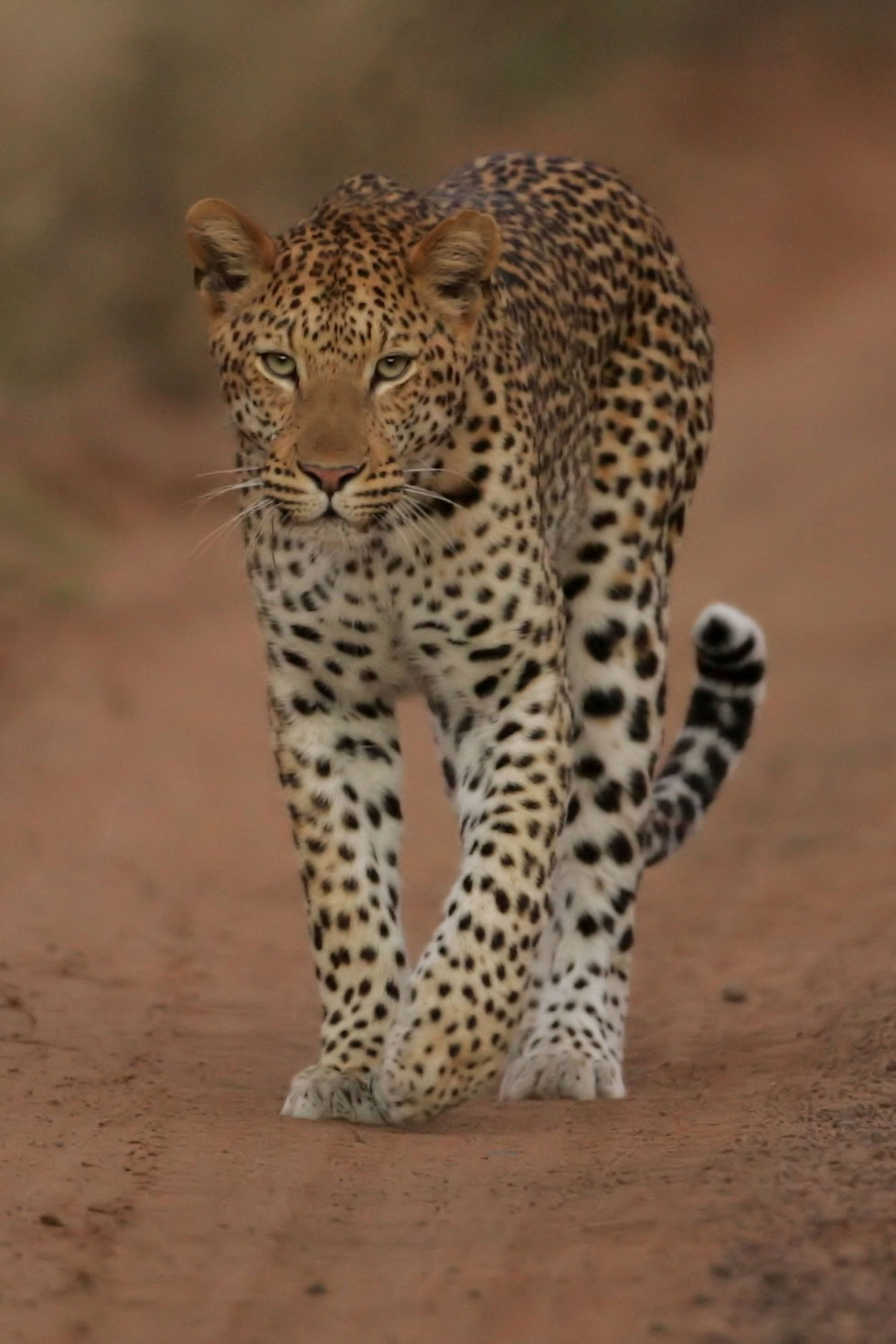
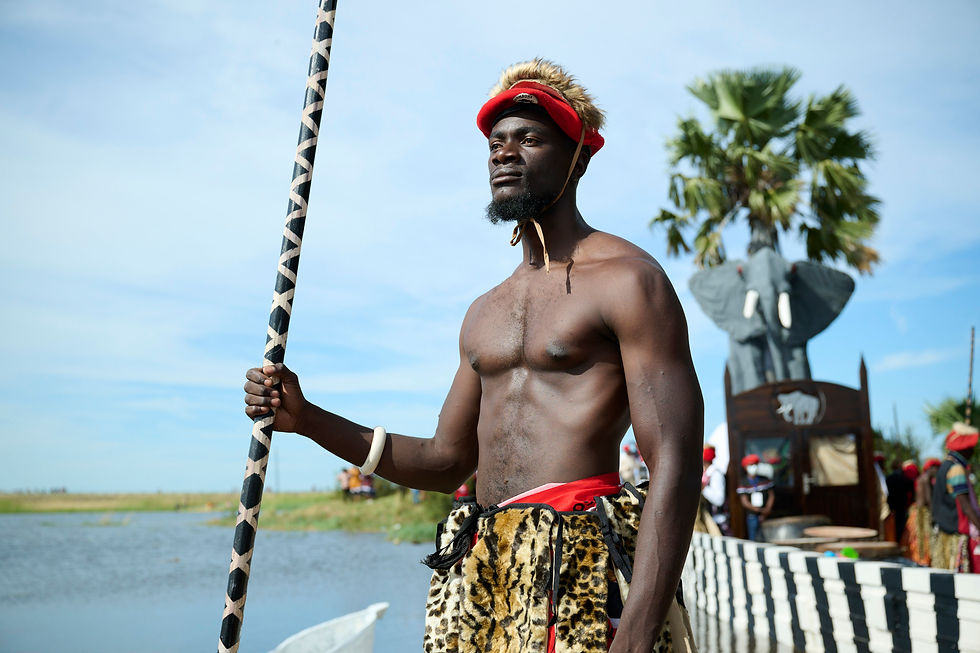
Across southern Africa, ceremonial regalia adorned with authentic leopard furs has long symbolised culture and identity. Yet the demand for authentic pelts places wild cats at risk. Panthera’s Furs for Life initiative, founded in 2013, addresses this problem: protecting leopards while honouring cultural traditions. By replacing real leopard skins with high-quality synthetic Heritage Furs, the programme proves that conservation and cultural expression can coexist.
A decade ago, with fewer than 5 000 leopards existing in South Africa, Panthera scientists found that at least 800 leopards were being killed each year to supply over 15 000 Shembe followers who wore leopard skin garments during community gatherings.
While cultural use was significant, it was far from the only threat. Indiscriminate hunting, habitat loss, and low population densities continue to compound pressures on wild cats across southern Africa, making culturally sensitive solutions like Furs for Life essential.
Since its launch, the initiative has distributed more than 22 000 Heritage Furs across southern Africa, serving communities of over seven million members. Marking its 12th anniversary in 2025, the programme began with the Shembe Church and has since expanded to the Lozi people of Western Zambia, the African Congregational Church of South Africa, and the Ngoni of eastern Zambia. Together, these partnerships have introduced synthetic regalia, from capes and skirts to headpieces, ensuring that traditions endure without threatening wild cats.
The programme's reach wouldn't be possible without grassroots implementation. At the heart of this success is Panthera’s collaboration with local tailors, who receive materials and training to craft Heritage Furs, creating sustainable alternative livelihoods alongside cultural preservation.
Backed by international funders, including the UK Department for Environment, Food and Rural Affairs’ Illegal Wildlife Trade Challenge Fund, Cartier for Nature Philanthropy, and the Royal Commission for AlUla, Panthera ensures that communities have the training, materials, and resources to adopt Heritage Furs. Combined with partnerships among local communities, governments, and NGOs, this support strengthens both cultural preservation and wildlife conservation.
The programme’s impact is measurable. The first experimental study linking synthetic substitutes to leopard population recovery found that camera-trap density estimates rose from 2.7 to 3.8 leopards per 100km² in Zambia’s Greater Kafue Ecosystem. Since Furs for Life began working in Zambia in 2019, it has probably saved around 360 leopards in the region, with estimates ranging from 204 to 1 310. At an average cost of $1 924 per leopard saved (as low as $528 in some cases), the initiative stands out as a highly cost-effective conservation strategy.
By blending cultural respect, science and innovation, Panthera’s Furs for Life initiative offers a model for global conservation. Traditions are upheld, wild cats are spared, and leopards are recovering. Through collaboration with local partners and international funders and scientific guidance, Panthera shows that solutions for threatened species like the leopard can honour people and wildlife.
Watch this video to learn more about the Furs for Life initiative: https://www.youtube.com/watch?v=saaAWqCQh5A
Visit www.panthera.org/furs-for-life for more information.
This article appeared in issue 4 of ThisWildEarth. Read more our other publications here.




ThisWildEarth


Comments