A hidden lantern in the forest
Fewer than 20: The number of individuals recorded Conservation status: Critically Endangered 10cm: The height of Thismia selangorensis Cultivation: Not possible due to specific requirements
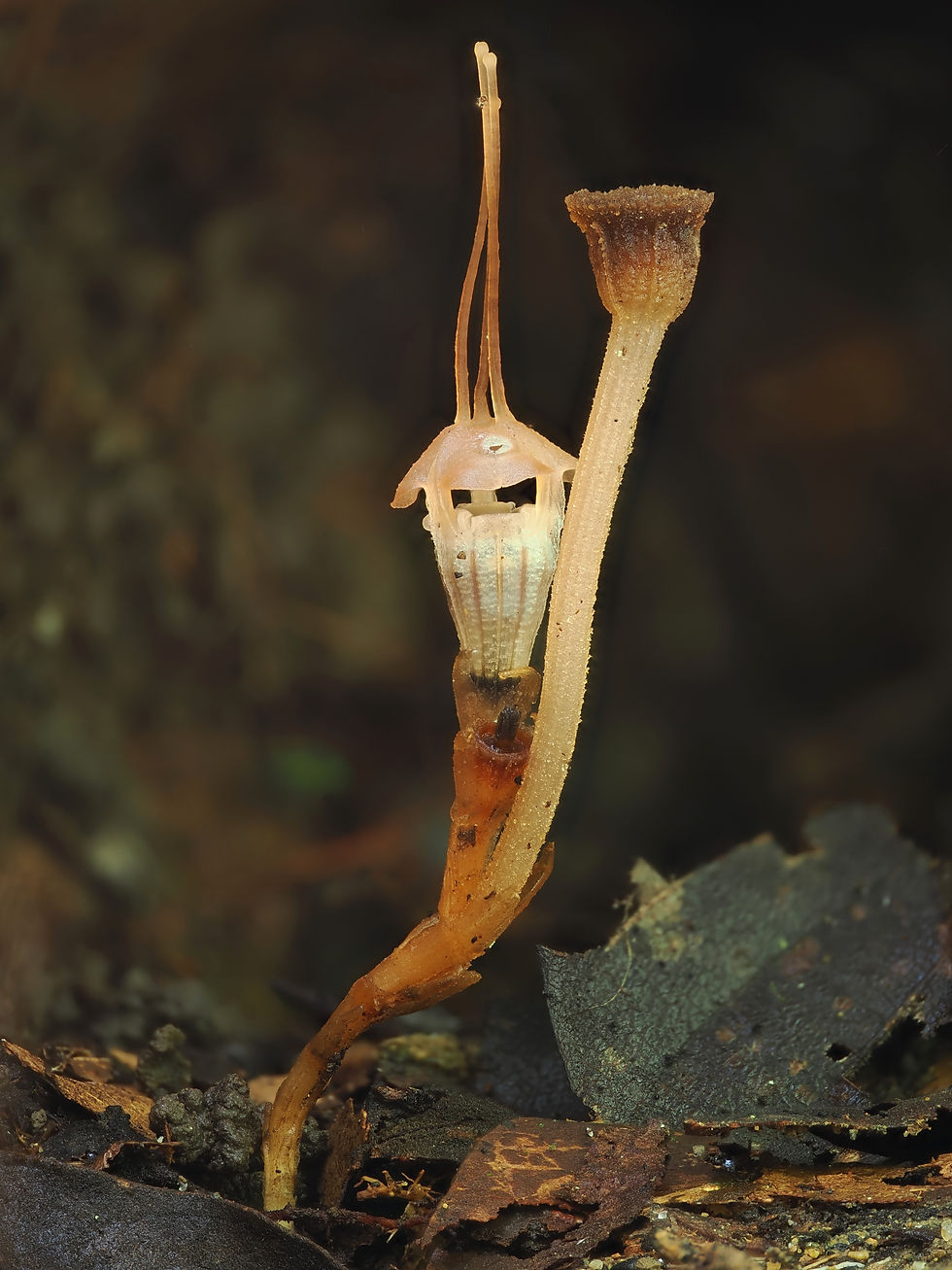
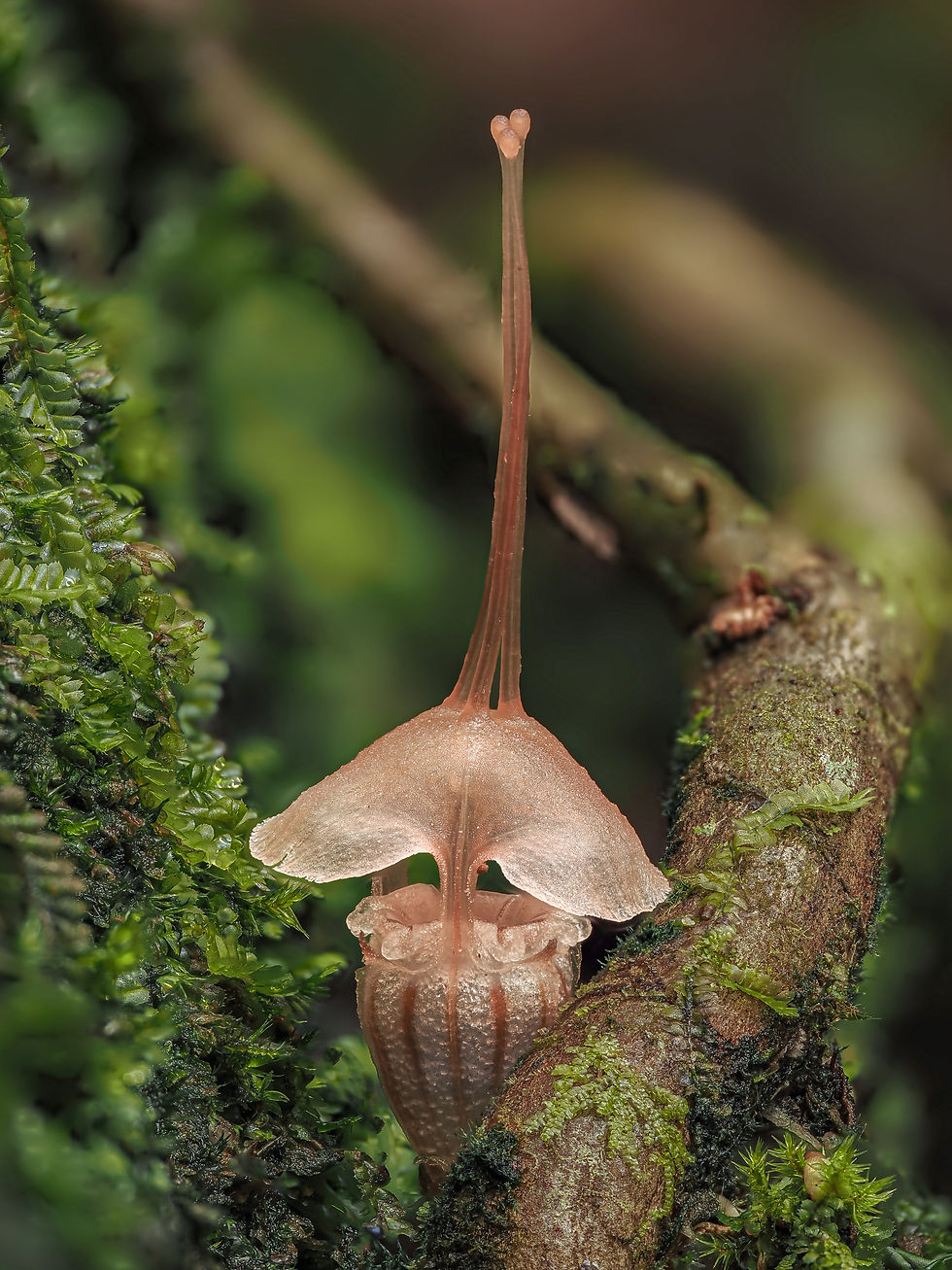
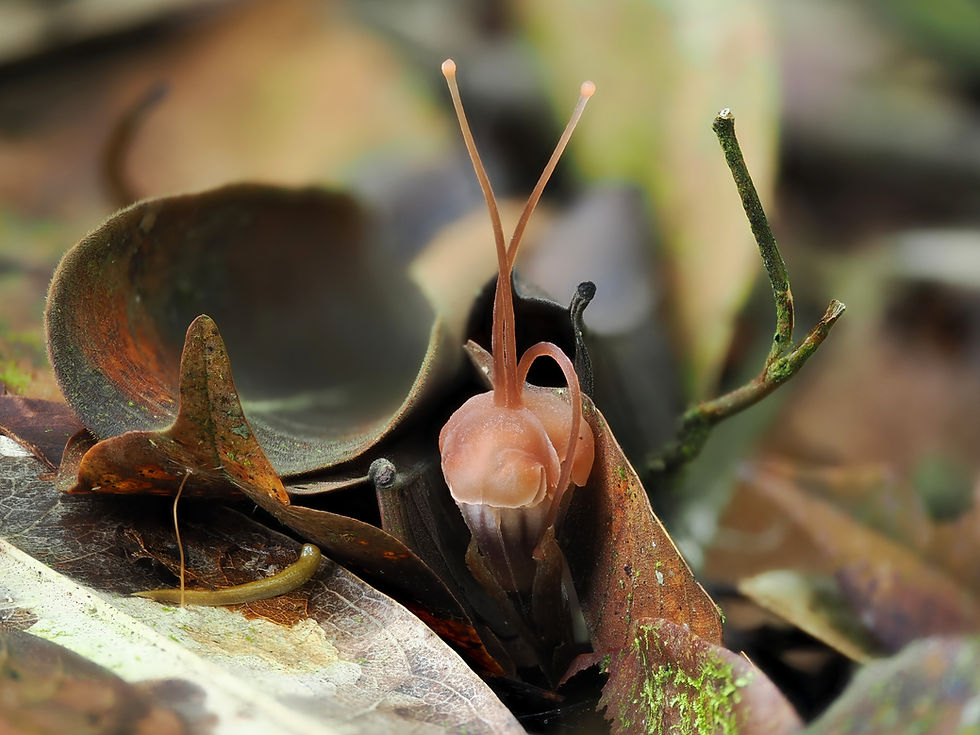
In the shaded leaf litter of a seemingly ordinary Malaysian forest, a tiny peach-to-pink bloom no bigger than a thumb quietly clings to existence. For years, perhaps longer, it grew unnoticed. Now, this newly identified species may already be one of the rarest plants in the world.
The plant belongs to a little-known group often called fairy lanterns, members of the Thismia genus. Some of botany’s strangest plants, fairy lanterns are mycoheterotrophic, meaning they do not photosynthesise. Instead, they rely entirely on underground fungi for nutrients. Spending most of their lives hidden below the soil, they surface only briefly to flower, making discoveries exceptionally rare.
What makes the find particularly striking is where it occurred. Naturalist Gim Siew Tan encountered the plant, now named Thismia selangorensis, not in a remote jungle, but in Malaysia’s Sungai Congkak Recreational Park, a popular destination for hikers and picnickers.
Tan first encountered the plant during a routine outing. At the time, she could not have known what she was looking at – only that it was unusual. “As an avid hiker, I am familiar with slime moulds and fungi, and it did not resemble either of them. But I knew it was beautiful and unique, so I spent some time photographing them.” The plant's unexpected location makes its discovery story even more remarkable.
Only later, after uploading the images to iNaturalist, a global citizen-science platform where people record and share observations of wild organisms, did the realisation sink in. Experts confirmed her suspicions. “I was excited and surprised. I never expected that a casual encounter would turn out to be new to science.”
Above ground, the plant’s appearance is striking despite its size. An umbrella-shaped flower rises from coral-like roots, its soft hues glowing against the dark forest floor. But the flowering stage lasts only briefly before it retreats underground again.
Rare, almost by default
The species was first discovered in November 2023 and described recently, so scientists have no way of knowing how long it has existed in the area before this. One specimen, however, offers some clues.
“Based on my observations of one individual growing within a tree hollow, an area relatively protected from direct human disturbance, the plant appeared to persist for approximately one year,” explains Siti-Munirah Mat Yunoh from the Forest Research Institute Malaysia. The root system produced multiple stems, flowers, and fruit over that period, suggesting a longer-lived underground phase than what is visible above ground.
Yunoh plans to study the species. “Its location presents a valuable opportunity to expand research into multiple biological aspects, including its life cycle, reproductive biology, and potential pollination mechanisms.”
Conservation in public places
The plant’s greatest threat is its location. The plant grows near the riverside, and its proximity to the camping ground makes it highly susceptible to flooding and potential disturbance by camping activities. Even routine maintenance, cleaning, and landscaping can pose a significant threat.
Long-term protection will require careful planning. “This species urgently requires a carefully designed conservation strategy,” says Yunoh. “We intend to pursue dedicated research funding and grants to support long-term monitoring, ecological studies, and conservation planning for this species.”
Looking towards the future
Raising awareness is the necessary next step to protect the species.
“Education should focus on appreciation, respect, and understanding,” explains Yunoh. “As a scientist, I deliberately avoid discussing either potential uses or any commercial value. By engaging local communities and stakeholders, we can help ensure that people recognise the importance of protecting such rare organisms rather than unintentionally contributing to their decline.”
For Tan, the discovery has already changed how she sees forests and her surroundings. “Discovering Thismia selangorensis made me realise how limited our understanding of forests remains, even in places we think we know well.”
Hidden beneath fallen leaves, the tiny fairy lantern remains easy to miss. But its presence is a reminder that wonder – and loss – can exist in the most familiar of places, often without us ever knowing it was there.
Enjoyed this article? Find more like it in issue 5 of ThisWildEarth. Explore our publications here.


ThisWildEarth


Comments