From asphalt to dust: The journey connecting continents and causes
From the Alps to the Arctic, 61-year-old Tom Millward pedalled through pain and the elements to raise hope for Africa’s wildlife. René Laing discovered how his gruelling ride became a powerful metaphor for the uphill battle against poaching.
The road north was endless. Numerous countries, long hours in the saddle, and a body pushed to the limits. Each pedal stroke was more than merely cycling an extreme adventure across several country borders. It was a way to fuel a much greater fight thousands of kilometres away in the heart of Africa.
While Tom Millward faced an uphill battle in the Northern Hemisphere, thousands of kilometres away, the buzz of a chainsaw cut through the air as African Wildlife Vets prepared to remove the horn of a sedated rhino in Hluhluwe-iMfolozi Park. It was two battles, but with one goal: survival.
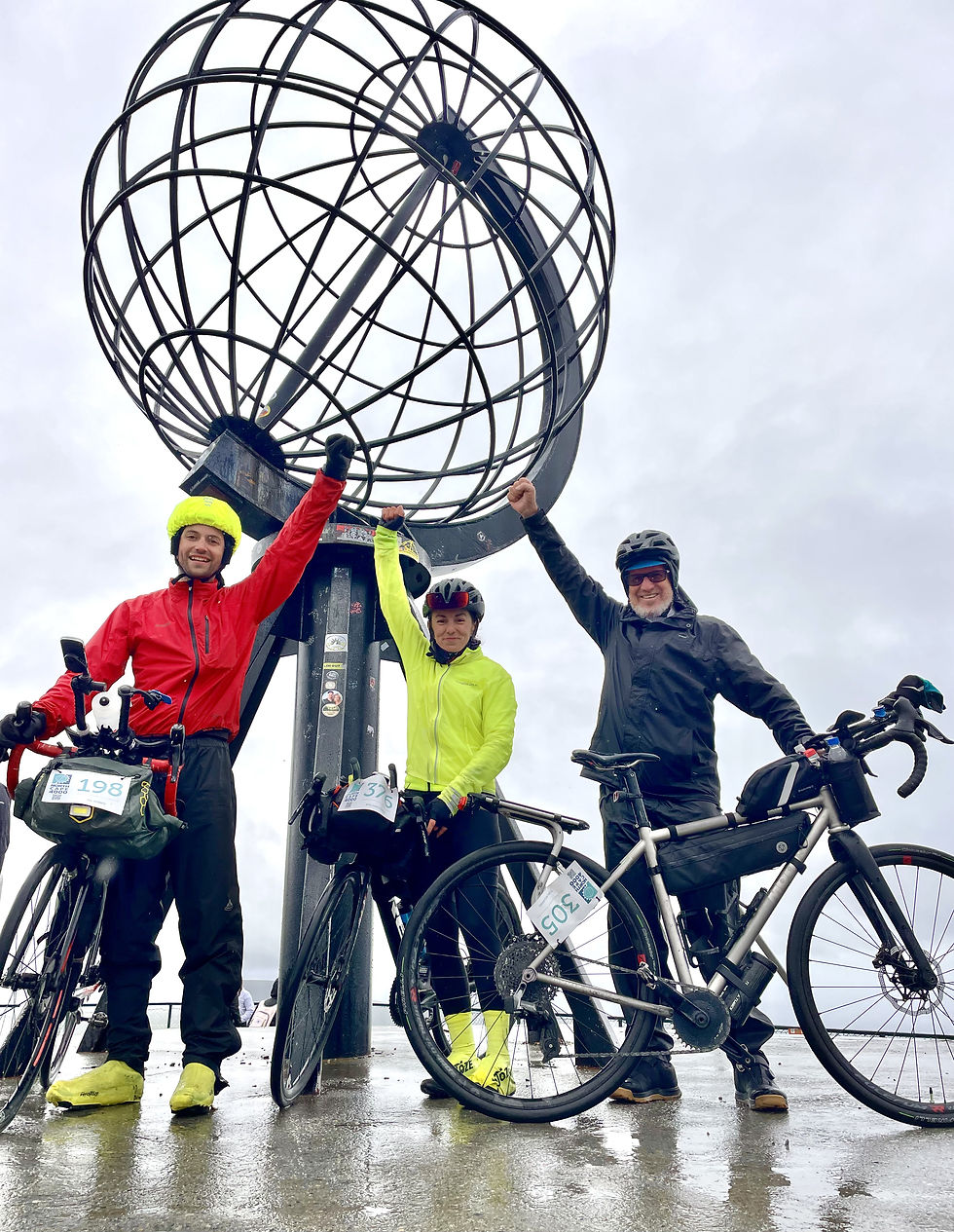
The NorthCape 4000 is no ordinary cycling race. Stretching 4 000km from Italy to the northern tip of Norway, it demands an average of 150km a day. Millward loved the idea of participating after the event popped up on YouTube. “I kept watching more and more until I was hooked on the idea,” he says. But it was his wife, Carolyn, who suggested using the race to raise funds for conservation.
The challenge tested him from the start. The first week’s relentless climbs and the weight of his bike wore him down. By the third week, fatigue consumed him. All he wanted was food and sleep. Yet, he kept going. “Whenever I felt down, I’d remind myself that I was living the dream and getting closer to the goal with every pedal stroke.”
He wasn’t racing anyone else. His struggle was against the elements, the climbs, and his own body. And in many ways, it mirrored the endurance of those he was riding for.
Back in South Africa, Kate Church and her team were working through gruelling dehorning operations. Their days stretched long under the African sun, each procedure critical in the war against poaching. “You have to have a lot of mental strength to get back on your bike when your body is aching,” Church explains. “Likewise, after losing a rhino to poaching or a wild dog to a snare, you have to find the strength to keep going.”
Millward's efforts raised around R16 000 for African Wildlife Vets through a GivenGain campaign, which is a significant contribution that the organization deeply values. For context, dehorning a single rhino costs between R8 000 and R16 000, covering helicopter and veterinary support. However, costs can increase depending on the helicopter's time in the air. For an organisation like African Wildlife Vets, which relies solely on donations, every rand makes a tangible difference in their conservation work.
In recent years, African Wildlife Vets focussed more heavily on dehorning, a task that cannot happen without wildlife vets present. Almost all their funding now goes towards initiatives like this.
While no single donation solves the rhino crisis, African Wildlife Vets depends entirely on contributions like Millward's to continue their field work. "By helping to protect one rhino, lion, wild dog, or any other wild animal, you're contributing to the protection of biodiversity as a whole," says Church.
Anyone can assist organisations like Millward did. “What is great about campaigns is that, yes, they raise much-needed funds for our cause, but they are also a great way to raise awareness.”
Tom’s journey proves you don’t need to be a ranger, a scientist, or a millionaire to help. You just need to do something. Church says that whether you cycle, bake, or donate your birthday, you are helping protect your natural heritage.
To support African Wildlife Vets, visit www.africanwildlifevets.org
Distance per day required: 150km
Hours in the saddle: 8.5 hours per day
Longest day in the saddle: About 14 hours
Countries cycled: 8
Number of cyclists: 500
Highest elevation: 2000m
Number of punctures: 1
Camping nights: 1
We originally published this article in the fourth edition of ThisWildEarth. Read our other publications here.




ThisWildEarth


Comments