A drop in the ocean? Not for millions of seahorses...
Despite export bans and international protection, millions of seahorses are trafficked through a vast and largely hidden global network. By René Laing
Smuggling by the numbers
• 4.93 million seahorses seized
• $21.4 million estimated total value
• 62 countries implicated
• 700: the average number of seahorses per seizure
• China was the destination in more than 55% of cases
Not all victims of wildlife crime are large and glamorous. They may be tiny and slow-moving, but seahorses are caught up in a fast-paced, high-value illegal trade. Hidden beneath the waves, millions of seahorses are vanishing into a shadowy black market.
In just over a decade (2010-2021), nearly five million seahorses were seized in illegal shipments, evidence of an enormous trade that continues despite international protection. A new study published in Conservation Biology revealed this shocking information. Using open-source reports in multiple languages, researchers tracked seizures, exposing a booming underground trade.
They warn that this is only a glimpse of a much deeper problem as not all perpetrators are caught. The 297 seizures forming part of their study were from available information such as online records and voluntary disclosures including government notices and news stories.
Legal trade is permitted under the Convention on International Trade in Endangered Species of Wild Fauna and Flora (CITES), a global agreement involving 184 countries, including Canada and the European Union. One condition for trade is that it does not harm wild populations, but this safeguard has made obtaining permits more difficult, pushing much of the trade into illegal channels.
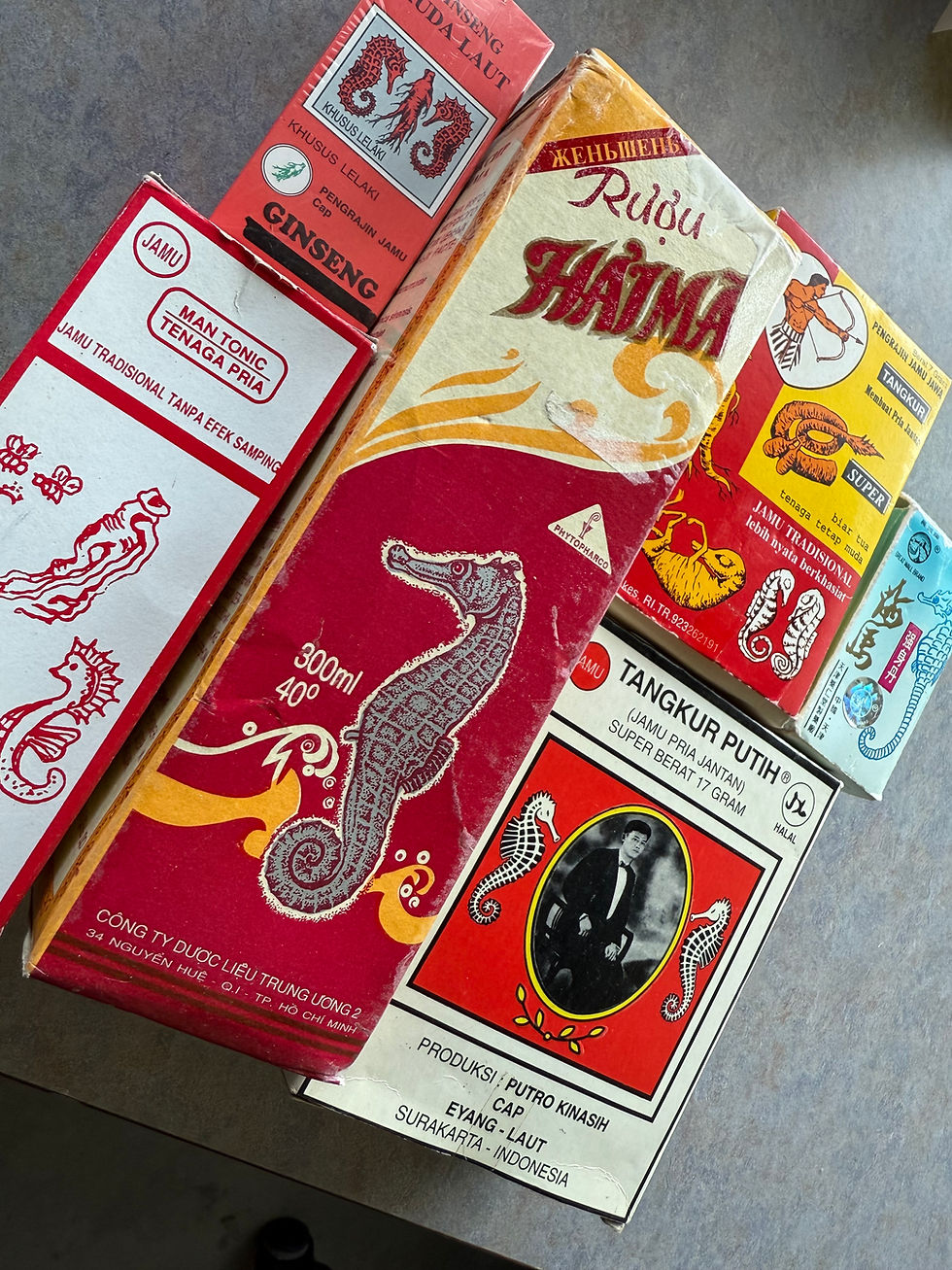
In large seizures, seahorses were often found alongside other illegally traded products such as elephant ivory and pangolin scales, revealing that marine life is smuggled just like terrestrial wildlife in global trafficking networks. Most of the seizures were dried specimens, often used in traditional Chinese medicine and sold as curiosities. Only four seizures involved live seahorses.
Plundering our ocean resources
The cases primarily involved smuggling by air, via passenger luggage, or sea. The scale is staggering. Whilst passenger luggage accounted for the most seizures by volume, 87% of cases overall involved significant volumes of seahorses. The average shipment contained around 700 individuals, with the largest ever counting 476 000. And numbers increased over time.
In 2019 alone, authorities seized more than 1.6 million seahorses, one-third of the annual volume reported before major exporters stopped legal trade. The study estimates the total value of the seized animals over US$21 million. The real number could be far higher. Each dried seahorse was valued at around US$5, making large hauls especially profitable.
Global hotspots and new trade routes
The analysis revealed that the illegal trade touches nearly every continent, with Africa, Asia, and Latin America indicated key source regions. Meanwhile, Mainland China emerged as the top destination, involved in over half of all seizures. Surprisingly, Peru featured as a major source and transit country, even for species not native to the region, suggesting transcontinental trafficking. Europe, particularly Belgium, appeared frequently as a transit point.
Very few of the cases resulted in strong legal action. Only 7% of seizures mentioned any penalties, making it uncertain how often seizures led to punishment. Most involved one or two individuals rather than organised networks, so stopping individuals will probably not disrupt the supply chain.
In over 90% of cases, the specific species wasn’t recorded. “Collecting this information more often would allow us to more accurately assess which species are being traded, in what amounts, and how much this threatens their populations,” explains Syd Ascione from the Institute for the Oceans and Fisheries at the University of British Columbia. Ascione says that 14 of the 46 species are threatened with extinction.
But in a rare case where authorities recorded the species, the researchers discovered a brand new route that would have gone unnoticed. The case involved a West African species found in a shipment from Peru to Vietnam.
There is a way to shut down illegal trade. “All countries must step up with strong deterrents, good detective work, determined enforcement, and meaningful penalties,” explains Dr Teale Phelps Bondaroff, director of research at Oceans Asia. “At the same time, we must continue using innovative research and investigation methods to uncover hidden networks and outpace traffickers.”
The fight against illegal seahorse trade is not just about one species, but about defending the health and balance of our oceans. With better laws and enforcement, and global cooperation, we still have time to secure a future for these species.
We originally published this article in the third issue of ThisWildEarth. Read our other publications here.




ThisWildEarth


Comments